
Attic Insulation in Leon Valley, TX: What It Costs and Who Shows Up
Attic insulation in Leon Valley typically runs $1,450 to $3,800 for a full retrofit on the 1,200 to 2,200-square-foot single-story homes that dominate this city’s housing stock. Blown-in work lands on the lower end; full removal of rodent-damaged material and pest-resistant spray foam pushes toward the top. You’ll get a written price before any work starts, with the technician’s name and photo sent to you beforehand. Call (361) 213-9499 for a free estimate.
Fast, Reliable Attic Insulation Across Leon Valley
We work in Leon Valley weekly, and the call volume from this city tells a consistent story. Homes built between 1965 and 1985 are hitting the point where original fiberglass batts have settled, compacted, or been torn apart by rodents. The result is an attic that reads R-38 on paper but performs closer to R-11 in the middle of a Texas summer. Our crews know the housing stock here: the slab-on-grade ranches off Bandera Road, the two-story colonials near Huebner Road, the compact bungalows around Evers Road. We know which of those attics have accessible scuttle holes and which have the cramped hallway-closet accesses that force a different equipment choice. When you call, a live person answers. When we schedule, the tech’s name and photo arrive before the tech does. Call (361) 213-9499 and tell us what you’re seeing in your attic.
Why Aspen Attic Insulation San Antonio Is Leon Valley’s Preferred Attic Insulation Company
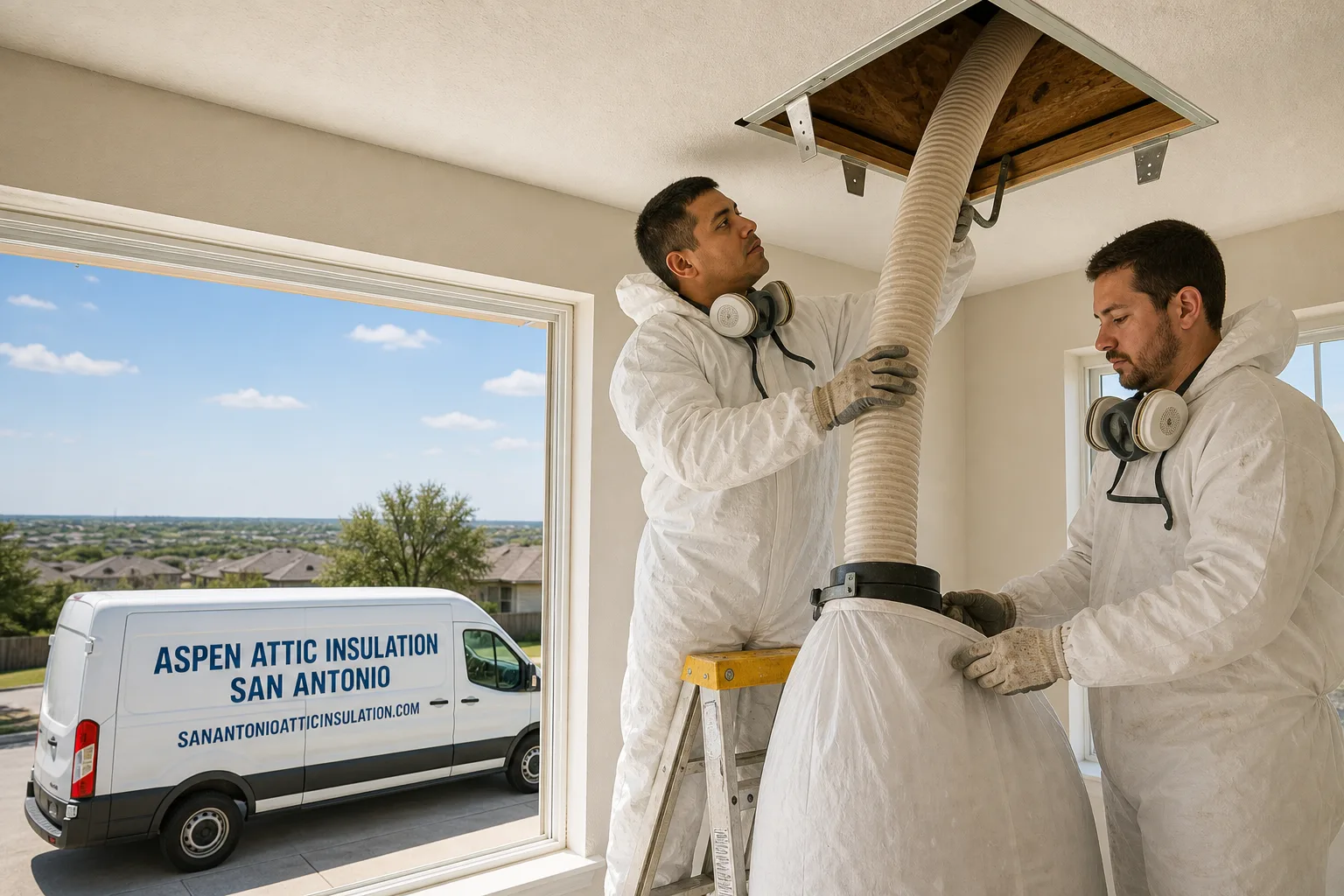
Leon Valley homeowners call us because the alternative has burned them before. They’ve had a crew show up late, quote one number, then add line items after the work began. They’ve opened the door to someone with no badge, no uniform, and no way to verify who they were. We put an end to that model. Every technician who steps onto a Leon Valley property is background-checked and identity-verified. You receive their name and photo before the visit. They arrive in a clean marked uniform and show a photo ID badge at the door. If anyone else arrives, the visit is free and we make it right. That’s the Threshold Standard, and it applies on every job in Leon Valley, no exceptions.
The response time matters too. Leon Valley sits just inside Loop 410, and our San Antonio dispatch office coordinates local crews daily. Most estimates happen within one to two business days. Emergency calls, like a partial ceiling collapse from a roof leak that soaked through old insulation, get same-day attention. We’ve earned a strong local reputation in Leon Valley by showing ID, honoring the written quote, and standing behind the 365-day guarantee in writing.
Attic Cleaning Services in Leon Valley
Attic cleaning services in Leon Valley aren’t a luxury add-on. They’re frequently the first step before any insulation work can proceed, because the city’s older homes carry a lot of history above the ceiling. Rodent nests, urine-stained batts, decades of dust, and sometimes the remains of a squirrel that found its way through an eave gap. Cleaning is the removal of that contaminated material: vacuuming out loose debris, bagging and disposing of damaged batts, and sanitizing the decking before new insulation goes in. For a typical Leon Valley ranch measuring around 1,600 square feet, expect $700 to $1,400 for a full attic cleanout. It’s labor-intensive work in a hot, confined space, and we won’t rush it.
Rodent Contamination Cleanup
When animal waste and nesting material sit in insulation, the R-value isn’t the only thing you’re losing. The material becomes a health hazard, and in Leon Valley specifically, the animal control ordinance conversation comes up constantly. We remove the contaminated batts, seal the entry points with pest-blocking foam, and prep the cavity for clean insulation. The price is included in the cleanout estimate, not billed as a surprise at the end.
Air Sealing During Cleanout
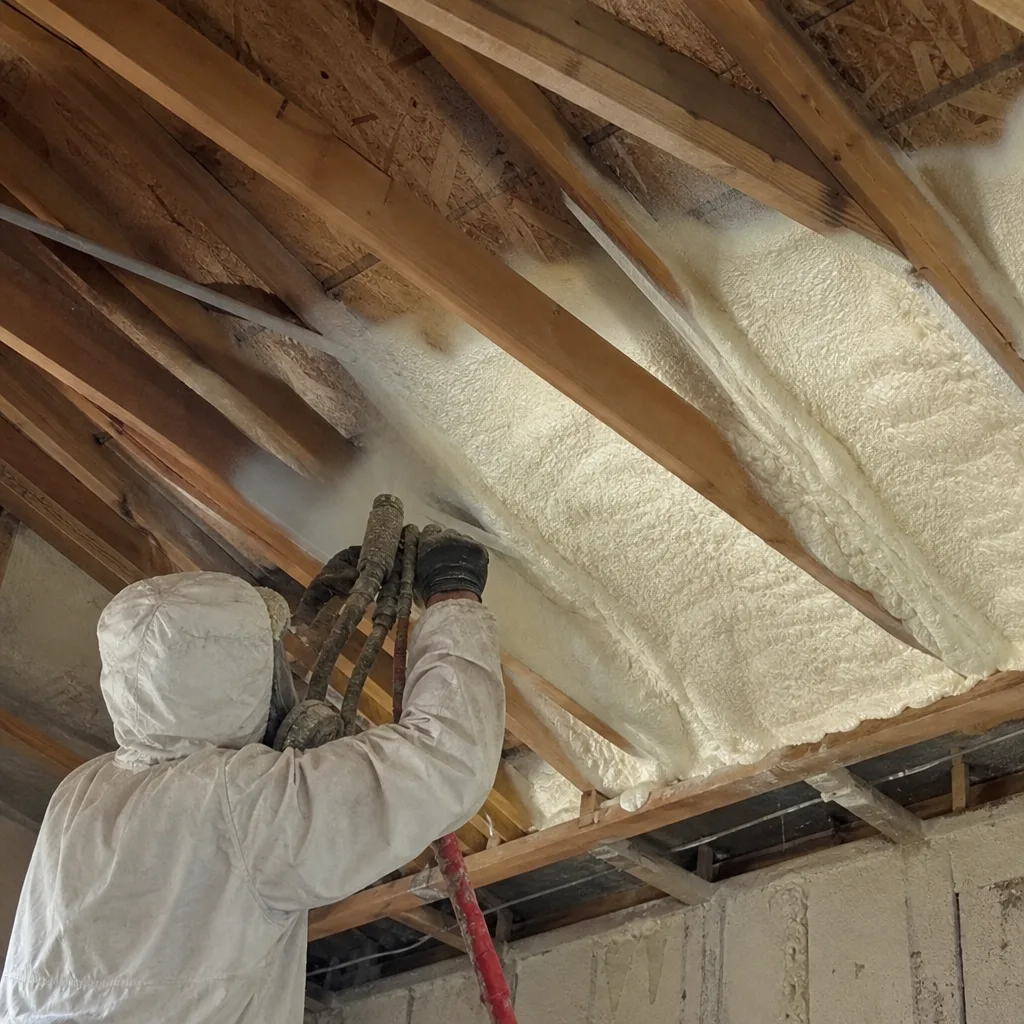
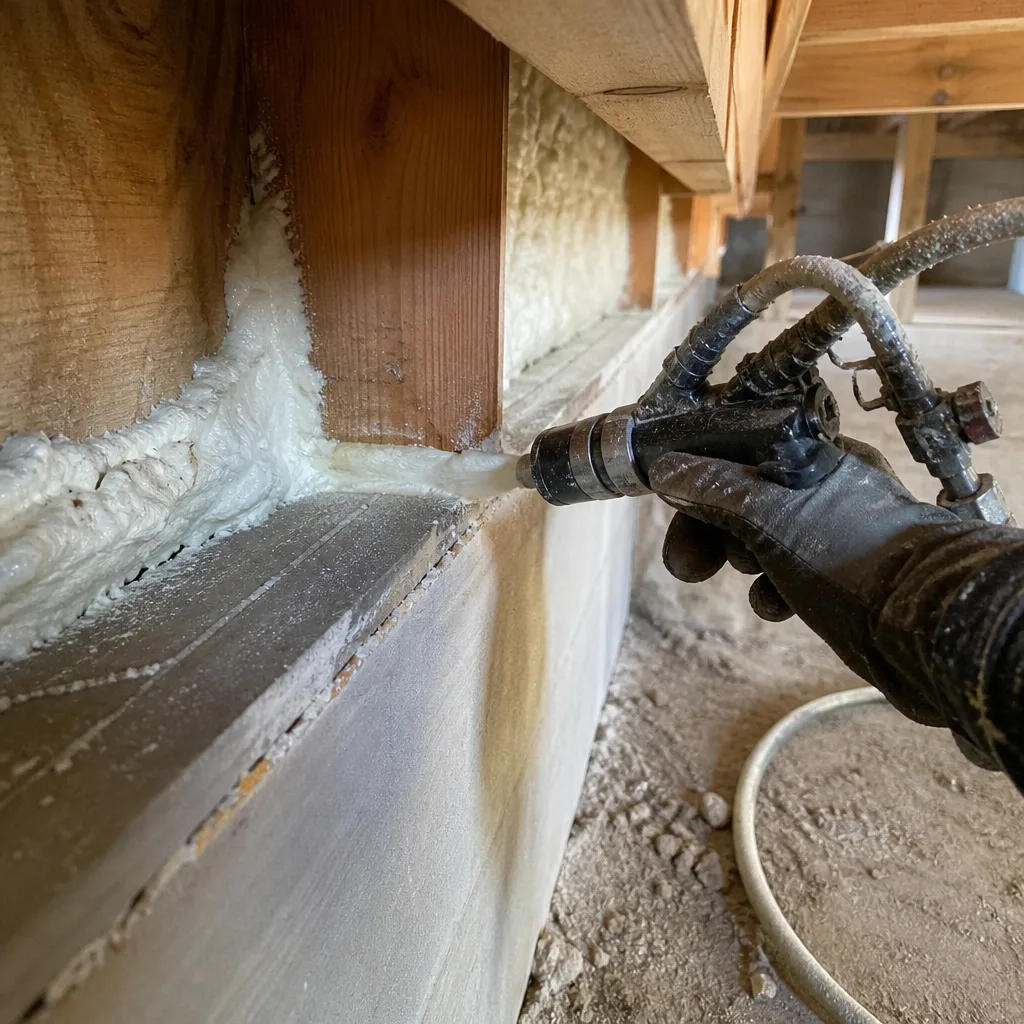
The best time to seal an attic is when it’s empty. We walk every joist bay, check the top plates for gaps, and foam-seal plumbing and electrical penetrations. That one step often does more for a home’s comfort than adding another six inches of insulation. It’s part of our standard cleanout process in Leon Valley.
What happens when you call
- 1
A real person answersNo phone trees - you reach a local pro.
- 2
You get an upfront price rangeHonest numbers before anyone is dispatched.
- 3
A background-checked tech heads outLicensed & insured, dispatched right away.
- 4
You approve before work beginsNothing starts until you say go.
Attic Mold Removal in Leon Valley
Attic mold removal in Leon Valley is a moisture problem first and a mold problem second. The region’s humidity, combined with bathroom exhaust fans that vent into the attic instead of through the roof, creates the conditions where Cladosporium and other common attic molds grow on the underside of roof sheathing. Mold removal means treating the affected wood with an antimicrobial, replacing any insulation that’s been saturated, and then fixing the ventilation or fan issue that caused it. In Leon Valley, mold remediation on a 1,200 to 1,800-square-foot attic typically runs $1,800 to $3,200, depending on the square footage of affected sheathing. You’ll have a written price before any treatment begins.
Humidity-Driven Mold in Older Homes
Leon Valley’s 1960s and 70s homes were built before modern ridge vents and soffit venting became standard practice. A single bathroom fan dumping warm, moist air into a closed attic will grow mold within a season. We find these and correct them. The mold treatment is the acute fix; the ventilation correction is what stops the next outbreak.
Mold-Resistant Insulation Options
When we reinsulate after a mold removal job, we choose materials that hold up to the Gulf Coast humidity. CertainTeed’s formaldehyde-free fiberglass and Demilec’s closed-cell spray foam both resist moisture absorption and won’t support mold growth the way old organic batts did. The material choice gets discussed on the estimate, not decided after the old insulation is out.
Trusted Brands We Service and Install in Leon Valley
We stock insulation from a handful of manufacturers because Leon Valley’s older housing stock needs different solutions than a new build in a master-planned community. CertainTeed batt and blown-in products cover traditional retrofits. Demilec’s closed-cell spray foam handles rodent-proofing, air sealing, and humidity resistance in eave cavities and rim joists. Icynene’s open-cell foam works well for attic roof decks where you want an air barrier but not a vapor trap. We keep material on hand for Leon Valley jobs, which means shorter lead times on the most common retrofits. The right product goes in, not just the available one.
Common Attic Insulation Problems We See in Leon Valley Homes
- Settled original batts on slab foundations. The 1960s through 1980s homes that dominate Leon Valley were built with fiberglass batts laid between ceiling joists. Thirty to fifty years later, those batts have compacted to half their original thickness, and the slab-on-grade construction means there’s no basement or crawlspace to offset the heat gain. You feel it in the master bedroom by mid-afternoon.
- Rodent damage along eave lines. Leon Valley’s strict animal control ordinances reflect how common rat and squirrel activity is in this city’s older neighborhoods. We routinely find tunnels chewed through batt insulation, nests built inside the fiberglass, and urine-stained decking. This requires removal, not just top-up.
- Cramped closet attic accesses. Many Leon Valley homes have the attic hatch inside a hallway closet with barely enough clearance to stand a ladder. Blown-in insulation is often the only practical retrofit method, because bales of batt can’t easily pass through a 22-by-30-inch opening. This shapes both the bid and the timeline.
- Blocked or missing baffles. When insulation gets pushed into the eaves during a previous retrofit, it blocks the soffit vents and chokes off attic airflow. The result is a hotter attic, higher cooling costs, and condensation on the roof deck in winter. We check this on every Leon Valley job before adding any material.
Pricing for Attic Insulation in Leon Valley, TX
Here’s what you should expect to pay in Leon Valley, as of 2026. Blown-in attic insulation on a 1,500-square-foot ranch runs $1,450 to $2,300, depending on target R-value. Batt insulation replacement sits between $1,800 and $3,200, because removing old batts through a cramped closet hatch is slow work. Attic insulation top-up over existing but settled material costs $900 to $1,600. Pest-resistant spray foam retrofit on eaves and rim joists adds $1,200 to $2,800 to a typical job. Full removal plus reinsulation with rodent-proofing is the top of the range: $3,200 to $4,800 on a 1,800-square-foot home. The variables are attic access, contamination level, square footage, and whether you want air sealing bundled in. Every Leon Valley estimate is free and in writing before work begins. Call (361) 213-9499 to set yours up.
We Also Serve Cities Near Leon Valley
Our crews serve Leon Valley directly, and the same Threshold Standard applies in the surrounding communities. If you’re in Leon Valley, we’re already local. We also run jobs in San Antonio, Schertz, Universal City, and Live Oak. If you’re on the edge of Leon Valley and unsure whether we cover your street, call and ask. If we can’t send a crew, we’ll tell you on the phone, not after the estimate.
Serving Leon Valley, TX - Our Local Coverage Area
We’re based in the Leon Valley area and know this community well. Use the map below to see our service coverage - if you’re nearby, we can almost certainly help.
FAQs About Attic Insulation in Leon Valley
Leon Valley does not have a city code that mandates pest-resistant insulation specifically, but the city’s animal control ordinance enforcement and the volume of rodent complaints in 1960s – 80s homes make it a practical requirement. Spray foam and pest-blocking air sealing are the standard way to keep rats and squirrels from re-entering after a retrofit.
The short answer is blown-in insulation. A typical cramped hallway closet hatch in a Leon Valley home forces partial batt replacement instead of full removal, which leaves old contaminated material trapped under new work. Blown-in fiberglass or cellulose gets the material through the small opening and can be installed to R-38 or R-49 without tearing out hallway drywall.
Yes. We remove contaminated batts, bag and dispose of them, sanitize the decking, seal the entry points, and then install new insulation. This is one of the most common jobs we do in Leon Valley, and the cost is included in your written estimate.
Closed-cell spray foam from Demilec is the strongest option for humidity resistance in eave cavities and rim joists. CertainTeed’s fiberglass products are inorganic and won’t support mold growth the way old organic batts can. The right choice depends on your roof configuration, ventilation, and whether you’re dealing with a past mold issue.
For many Leon Valley homes with hot afternoons and a southwest-facing roof slope, a radiant barrier can cut attic temperatures by 20 to 30 degrees. It’s not a replacement for insulation; it works alongside it. We’ll tell you during the estimate whether your roof orientation and deck type make the added cost worthwhile.
Written by Garrett Sloane, Owner at Aspen Attic Insulation San Antonio, serving Leon Valley since 2002.